




Between 7 and 10 September 2026, a delegation from the European Space Agency (ESA) visited Panama as part of an institutional mission dedicated to strengthening the strategic positioning of the CopernicusLAC Panama Centre and exploring opportunities for collaboration with national institutions, regional bodies, and European partners.
The delegation was composed of Dr Benjamin Koetz, Head of the Long-Term Action Section at ESA (ESA-ESRIN), and Dr Juan Pablo Ardila, Operational Manager of the CopernicusLAC Panama Centre.
A crucial moment for the Centre
The Centre is currently implemented by the ESA and has been operational since 2024. With the European Union-funded support programme nearing its conclusion, scheduled for December 2027, this mission comes at a pivoting moment, as there is just over a year left to consolidate the achievements made and strengthen the foundations needed to ensure the Centre’s long-term institutional continuity.
Consequently, one of the main objectives of the visit was to assess, together with the relevant stakeholders, the opportunities for collaboration and the mechanisms needed to guarantee the Centre’s continuity and that of its services beyond that date. In this regard, discussions also took place on the role that the Government Innovation Authority (AIG) could play as part of the options for facilitating this transition and supporting the sustainability of the Centre’s services in the region.
A week of strategic meetings
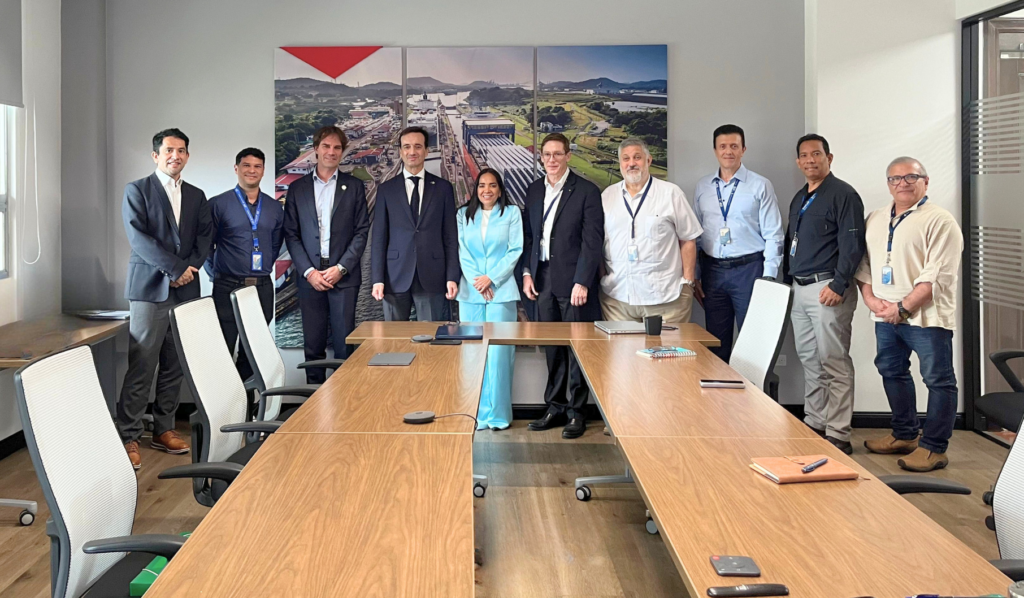
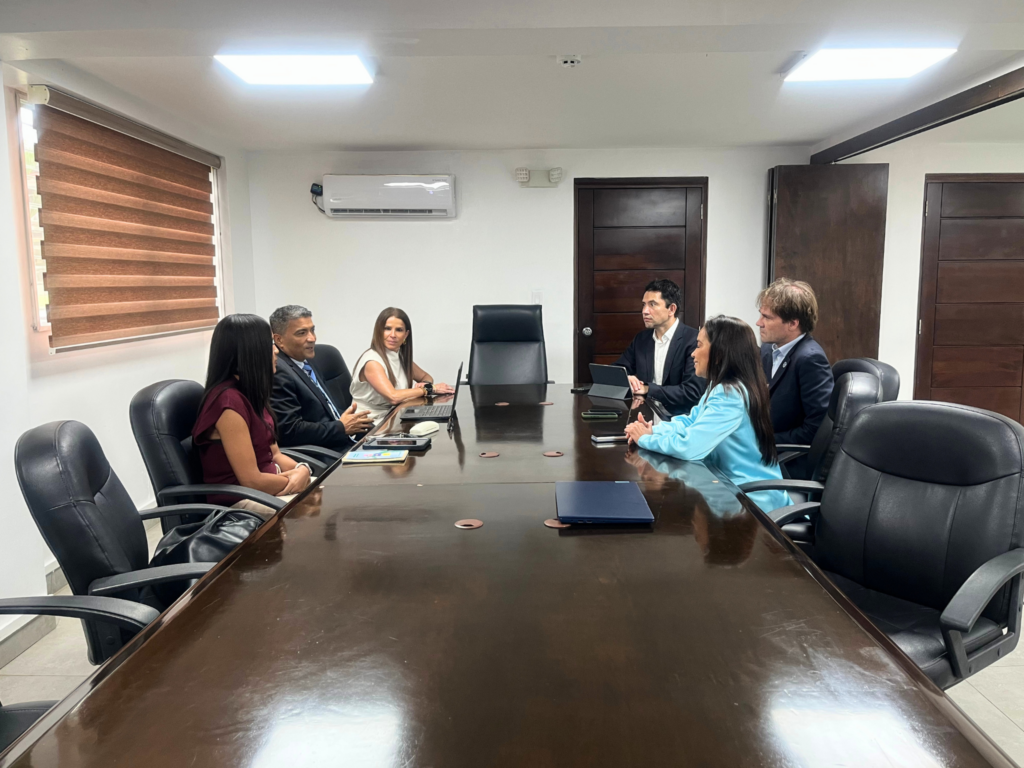
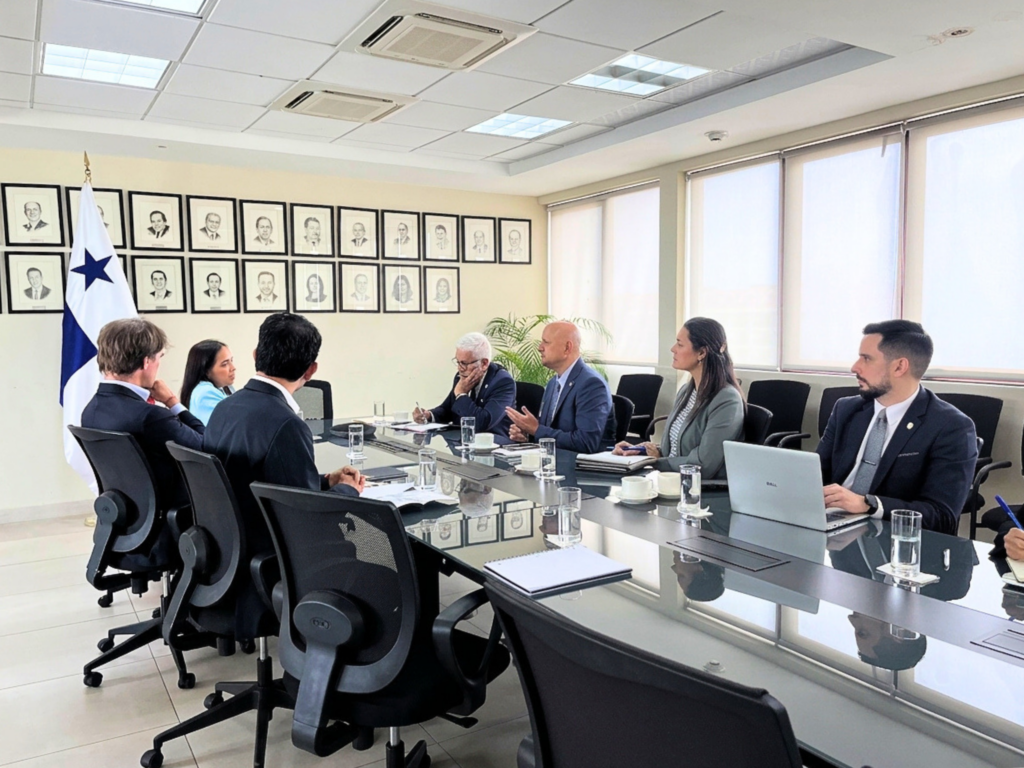
Over four days, the delegation held meetings with a broad group of institutions and strategic partners, including:
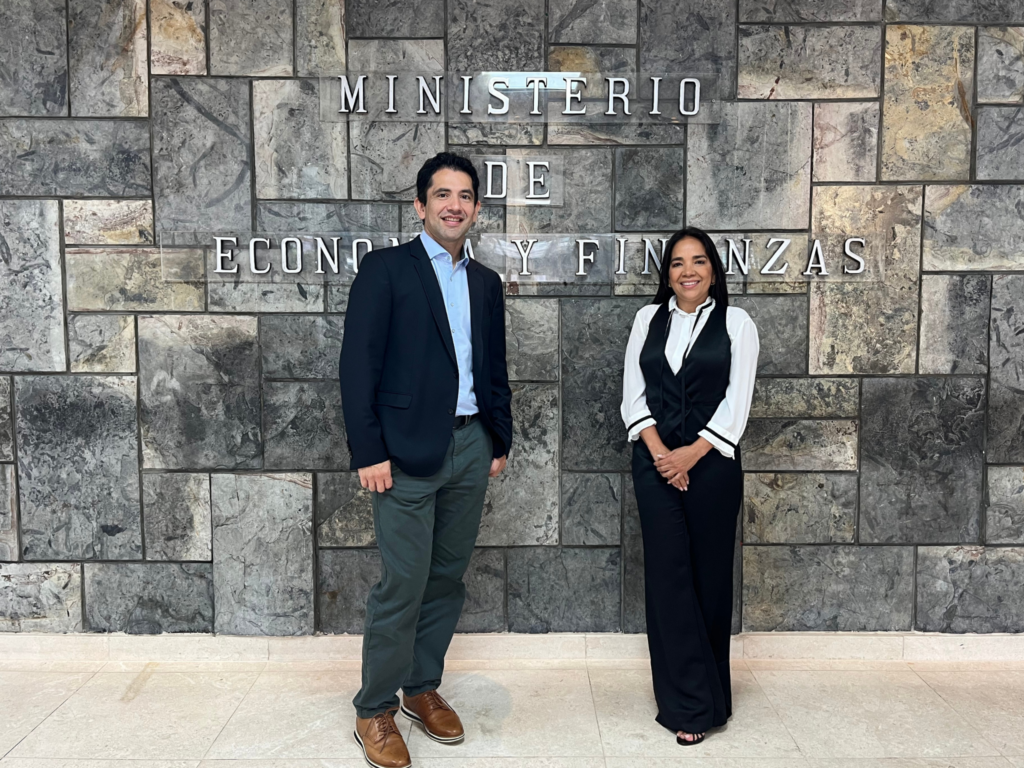
- Panamanian institutions, such as the Government Innovation Authority (AIG), the Ministry of Foreign Affairs (MIRE), the National Secretariat for Science, Technology and Innovation (SENACYT), the Ministry of Agricultural Development (MIDA), the Ministry of Economy and Finance (MEF) and the Panama Canal Authority (ACP), regarding issues of water security and catchment management.
- European partners, including the Delegation of the European Union to Panama (DG INTPA) and DG ECHO.
- Regional and international bodies, such as the United Nations Environment Programme (UNEP), the United Nations Office for Disaster Risk Reduction (UNDRR), and CATHALAC.
These conversations revolved around three main axes:
- Governance and sustainability of the Centre
- Regional alliances and international cooperation
- Strategic users and operational applications
Exploring bringing the Φ-Experience to Panama
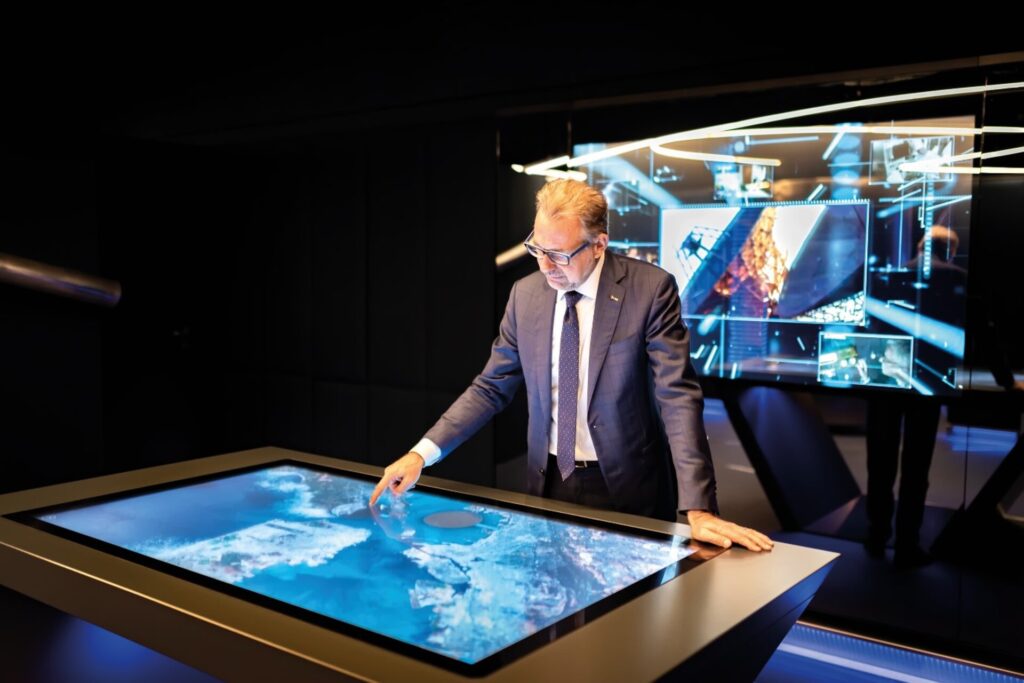
One of the most unique meetings of the mission was held with the Biomuseo, where the possibility of bringing the Φ-Experience (ESA’s flagship exhibition on Earth Observation) to Panama was explored.
The Φ-Experience is an interactive and immersive exhibition space, originally created for ESA’s Earth Observation Centre in Frascati, in Italy (ESRIN). Through audiovisual installations, projections, and data visualisation technologies, the exhibition translates the scientific work of Earth observation satellites into accessible and engaging experiences for the general public, demonstrating how these data help monitor climate change and understand environmental phenomena on a global scale.
Bringing an experience of this kind to Panama, in partnership with the Biomuseo, could generate significant benefits for both science and tourism in the country:
- Science communication: it would bring the general public, and especially younger generations, closer to the world of Earth Observation in a visual and accessible way.
- Educational strengthening: it would offer students, teachers, and researchers a unique teaching resource to understand the role of satellites in the study of the climate, water, and ecosystems.
- International positioning: it would reinforce Panama’s visibility as the host of the CopernicusLAC Centre and as a regional benchmark in Earth Observation.
- Tourist and cultural attraction: it would add an innovative cultural offering to the city, attracting both local and international visitors interested in science, technology, and innovation.
- Institutional synergy: it would leverage the Biomuseo’s infrastructure and expertise in science communication to broaden the reach of this initiative.
This conversation is at an exploratory stage, but it reflects the shared interest of ESA and its Panamanian partners in continuing to bring geo-satellite science closer to the public.
Applications with real impact
Beyond the institutional meetings, the mission provided a close-up look at how Copernicus satellite information is already supporting concrete decisions in Panama: from catchment management and water security to flood response, capacity building in geographic information systems (GIS), and the remote sensing information for agricultural applications. CATHALAC and MIDA are examples of this.
During the visit to CATHALAC, it was highlighted that the institution uses images from the Copernicus programme’s Sentinel-1 and Sentinel-2 satellites to identify flooded areas, detect changes in land cover, and map areas affected by fires. CATHALAC representatives pointed out that, thanks to the training sessions organised by the Centre, they have been able to streamline many of their workflows.
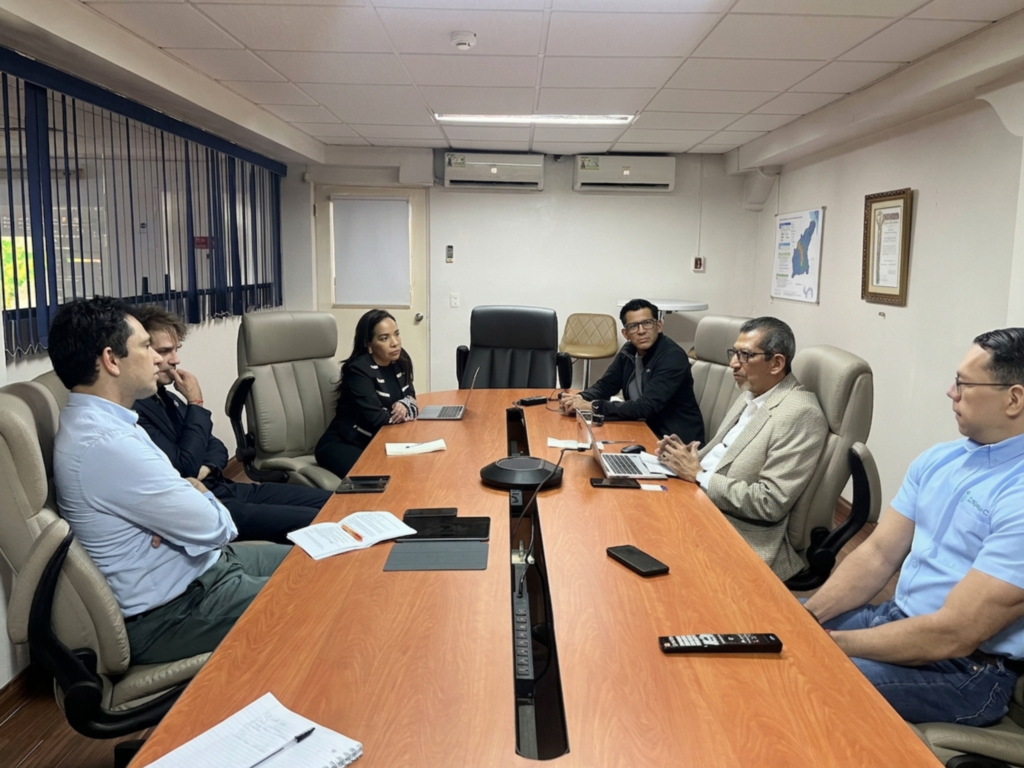
For its part, MIDA primarily uses Copernicus products for research, crop monitoring, and agricultural programme audits, and is an active participant in the Centre’s trainings.
Looking to the future
This mission reaffirms the commitment of the European Union and ESA and its partners to strengthening the Centre as a point of reference for accessing and using Earth Observation information in Panama and the Latin American and Caribbean region, laying the foundations for its sustainability beyond 2027.
This vision is already projecting into the coming weeks: on 13 October, coinciding with the International Day for Disaster Risk Reduction, the CopernicusLAC Panama Centre will hold its Policy Dialogue in Brussels. This space will provide continuity to the conversations held in Panama regarding governance, sustainability, and Earth Observation applications in the face of climate change challenges and disaster risk reduction.
Background information
The activities of the CopernicusLAC Panama Regional Centre are part of the EU-LAC Digital Alliance, which is a strategic framework to promote cooperation between the European Union (EU) and the Latin America and Caribbean (LAC) region on digital and space issues under the umbrella of the EU Global Gateway strategy. In this context, the European Space Agency coordinates the implementation of the Centre on the basis of a Contribution Agreement with the Directorate General for International Partnerships (DG INTPA) of the European Commission, and in close collaboration with the Government of Panama, the Ministry of Foreign Affairs (MIRE), the Government Innovation Agency (AIG), and the SENACYT (National Secretariat for Science, Technology and Innovation).